Press release ·
NASIM Foundation and ISNA Leaders Visit India to Strengthen Educational Opportunities for Underserved Communities
Engagements in Tamil Nadu and Karnataka highlight educational infrastructure, institutional excellence, and a long-term vision for inclusive, high-quality education
Dallas, TX · NASIM Foundation
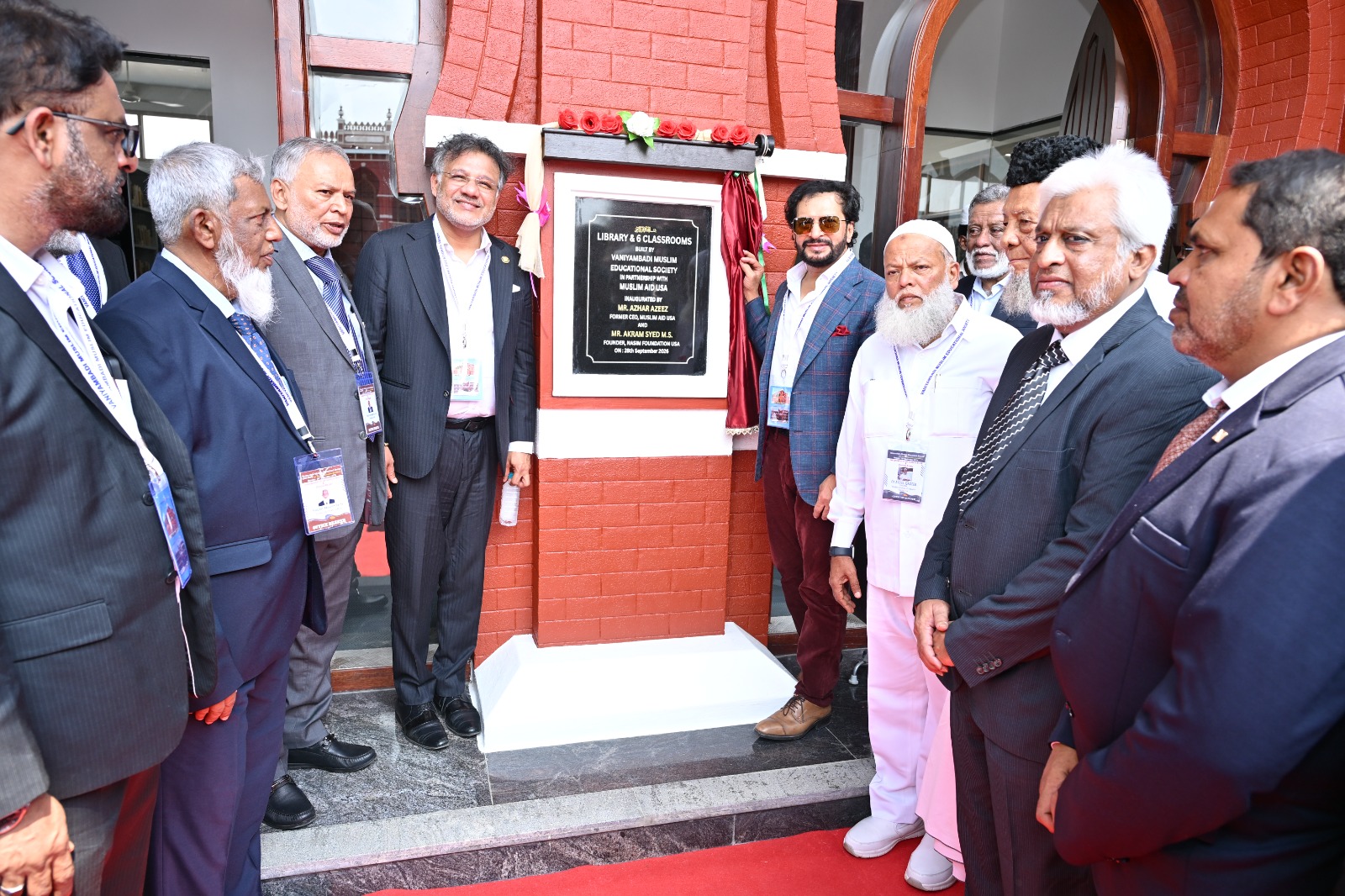
DALLAS, Texas / INDIA — October 2026 — Akram Syed, Founder and Chairman of NASIM Foundation, USA, and Azhar Azeez, CEO of the Islamic Society of North America (ISNA), recently visited educational institutions and community organizations in India to advance conversations on educational access, institutional development, and opportunities for underserved communities.
The visit brought together educational leaders, philanthropists, institutional administrators, and community representatives around a shared commitment to expanding educational opportunities and strengthening institutions that can serve students for generations to come.
Through public engagements, institutional visits, and discussions with educational stakeholders, the two leaders highlighted the importance of combining community leadership and philanthropic support with modern educational infrastructure, professional management, and a commitment to academic excellence.
Celebrating a major investment in education in Vaniyambadi
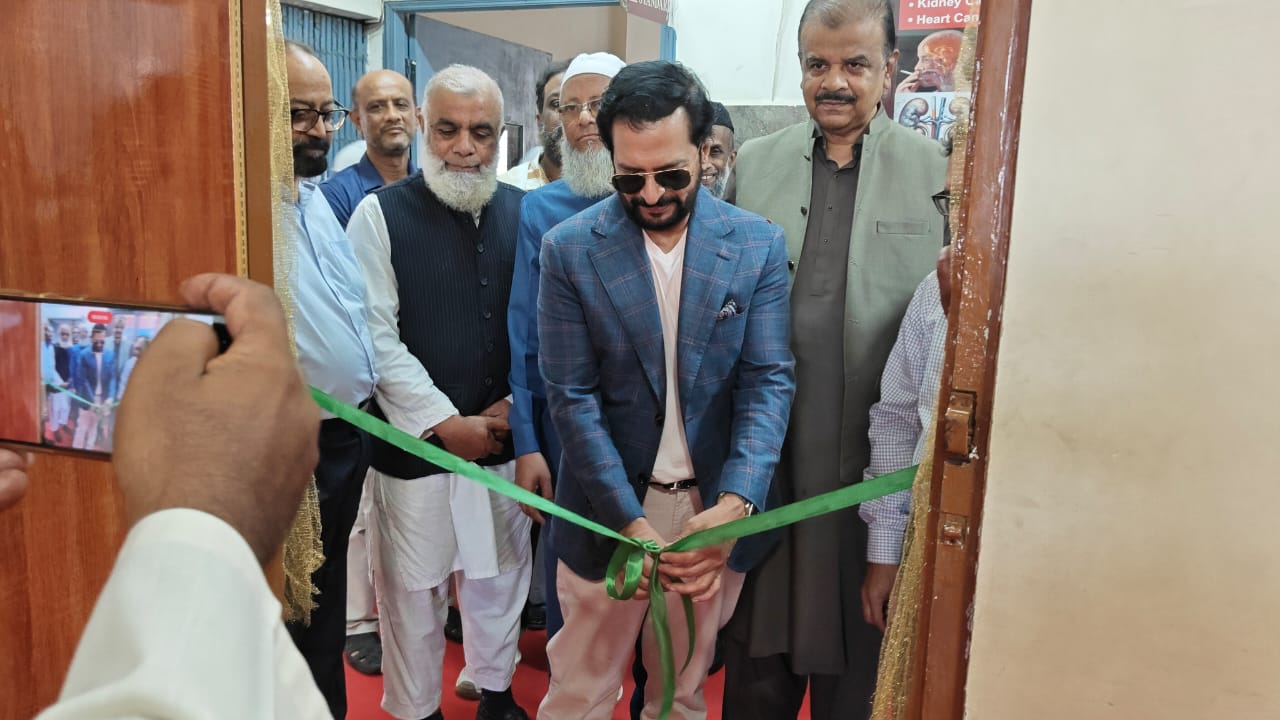
One of the principal engagements took place on September 28, 2026, in Vaniyambadi, Tamil Nadu, where Akram Syed and Azhar Azeez participated in the inauguration of a modern library block and smart classrooms associated with the Vaniyambadi Muslim Educational Society (VMES).
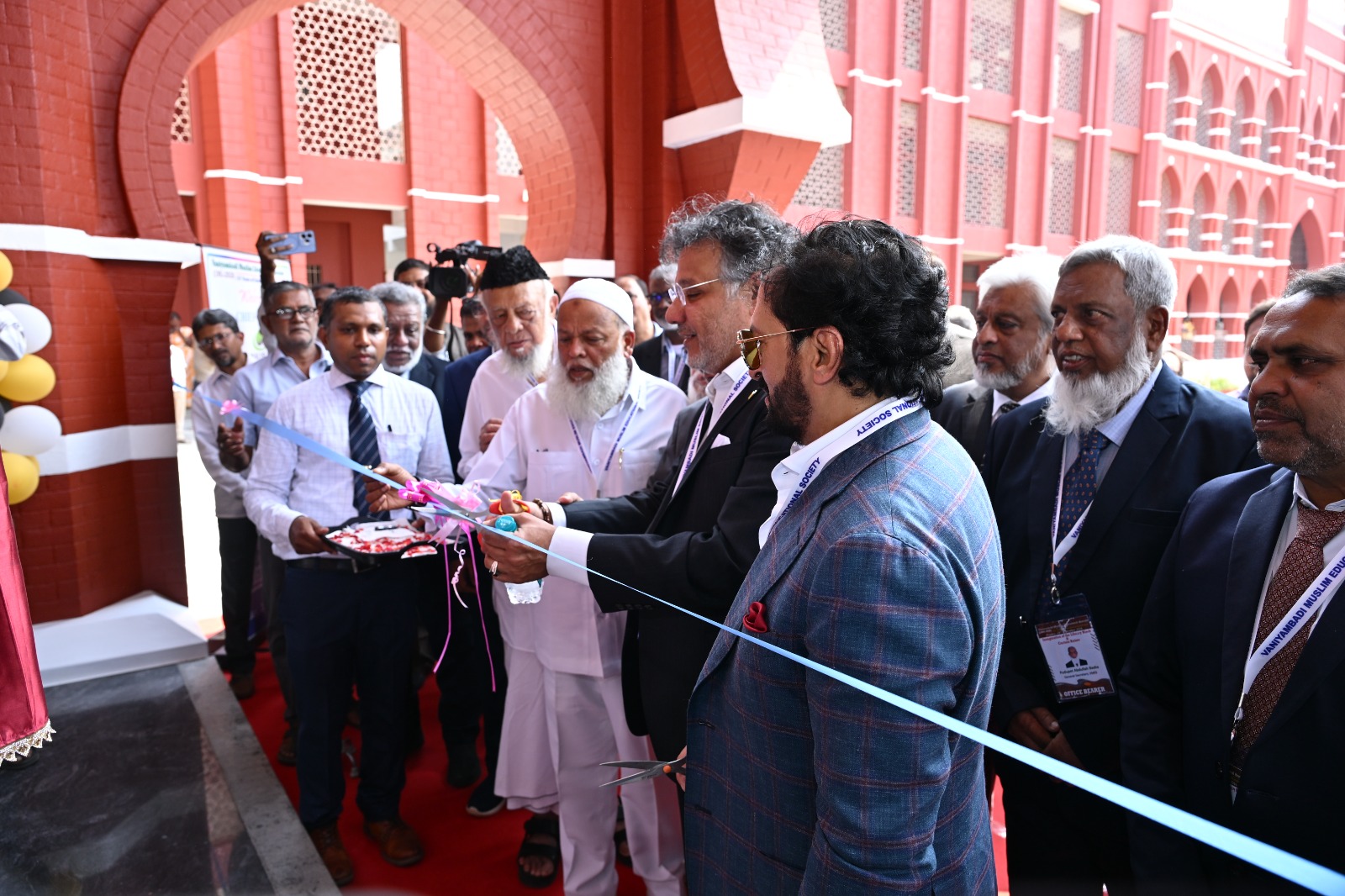
The event also marked the ceremonial launch of celebrations commemorating significant anniversaries of several institutions within the Islamiah educational network, including Islamiah Boys’ Higher Secondary School, Islamiah College, Islamiah Girls’ Higher Secondary School, Islamiah Training Institute, and Islamiah Women’s Arts and Science College.
The new educational facilities represent an investment in learning environments that combine established educational traditions with contemporary resources. The library and digitally enabled classrooms are intended to enhance students’ access to learning materials and support more engaging educational experiences.
The program was presided over by Dr. Abdul Qadeer, Founder of the Shaheen Group of Schools, Bidar. The gathering drew substantial community participation, with VMES reporting attendance of approximately 500 men and 250 women.
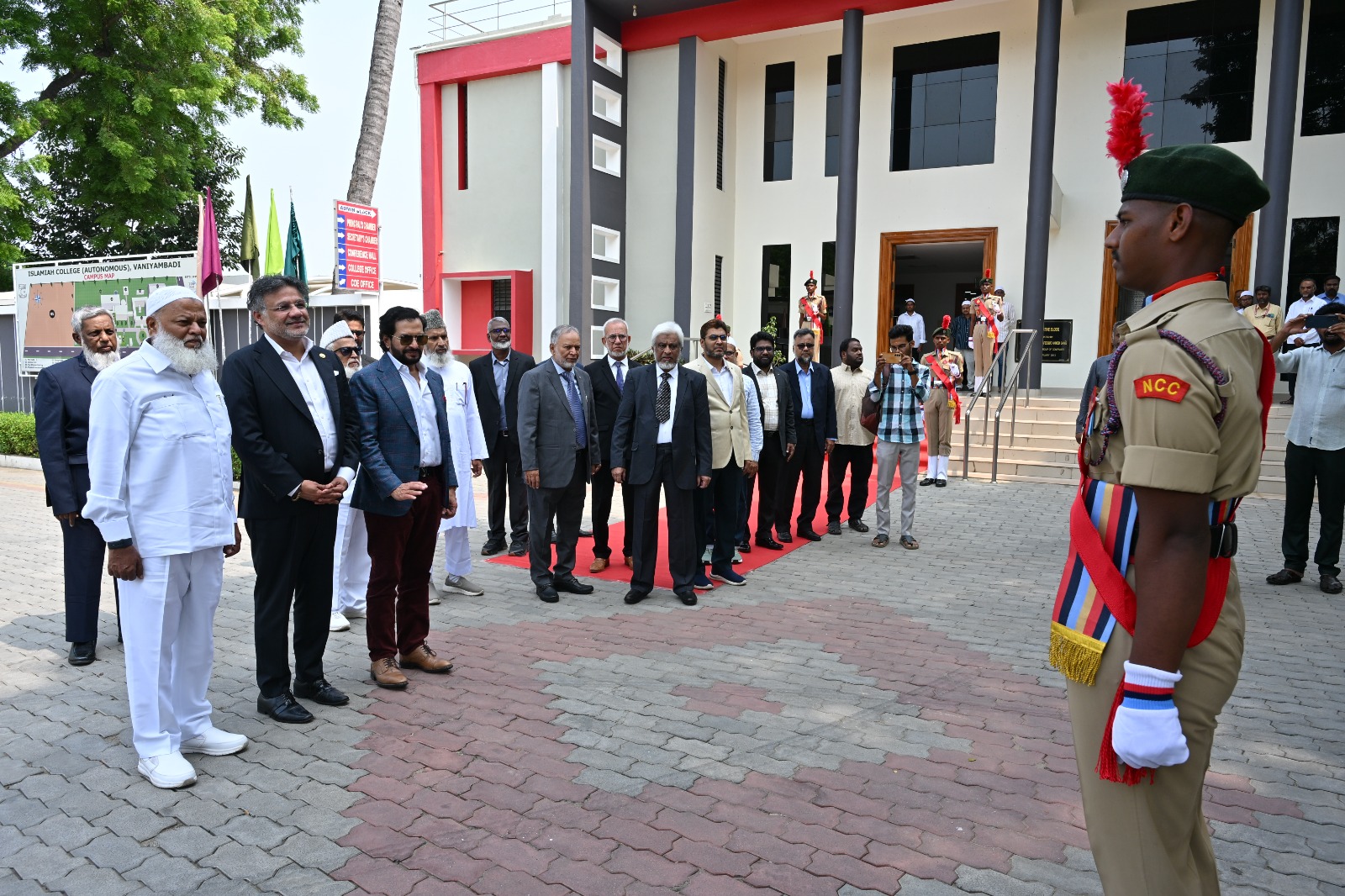
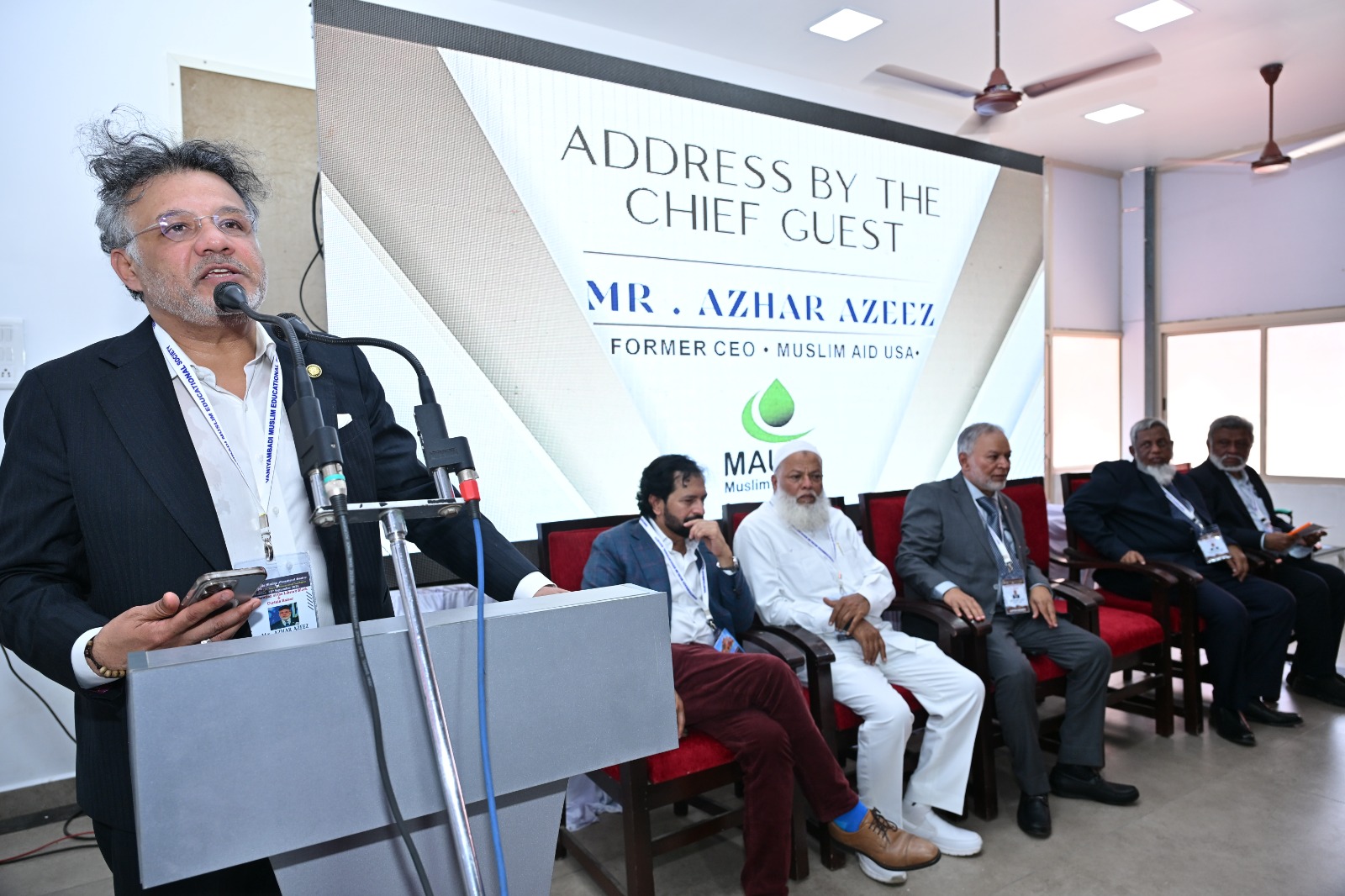
Following the event, VMES representatives expressed appreciation for the visitors’ participation and encouragement, describing their presence as an inspiration for the institution’s continued educational development.
In a message of appreciation, VMES stated:
“Your presence, encouragement and commitment to education have greatly inspired us.”Vaniyambadi Muslim Educational Society
The organization also expressed its hope for a sustained partnership with NASIM Foundation to strengthen educational institutions and expand opportunities for the communities they serve.
Advancing educational leadership and institutional excellence in Bengaluru
On September 29, 2026, the delegation participated in two education-focused engagements in Bengaluru.
At Al-Ameen Group of Institutions, Hosur Road, a guest talk titled “Education to Empowerment: Building a Life of Purpose and Impact” brought the visitors into conversation with students and members of the educational community. The program was organized by Al-Ameen Educational Society in association with NASIM Foundation.
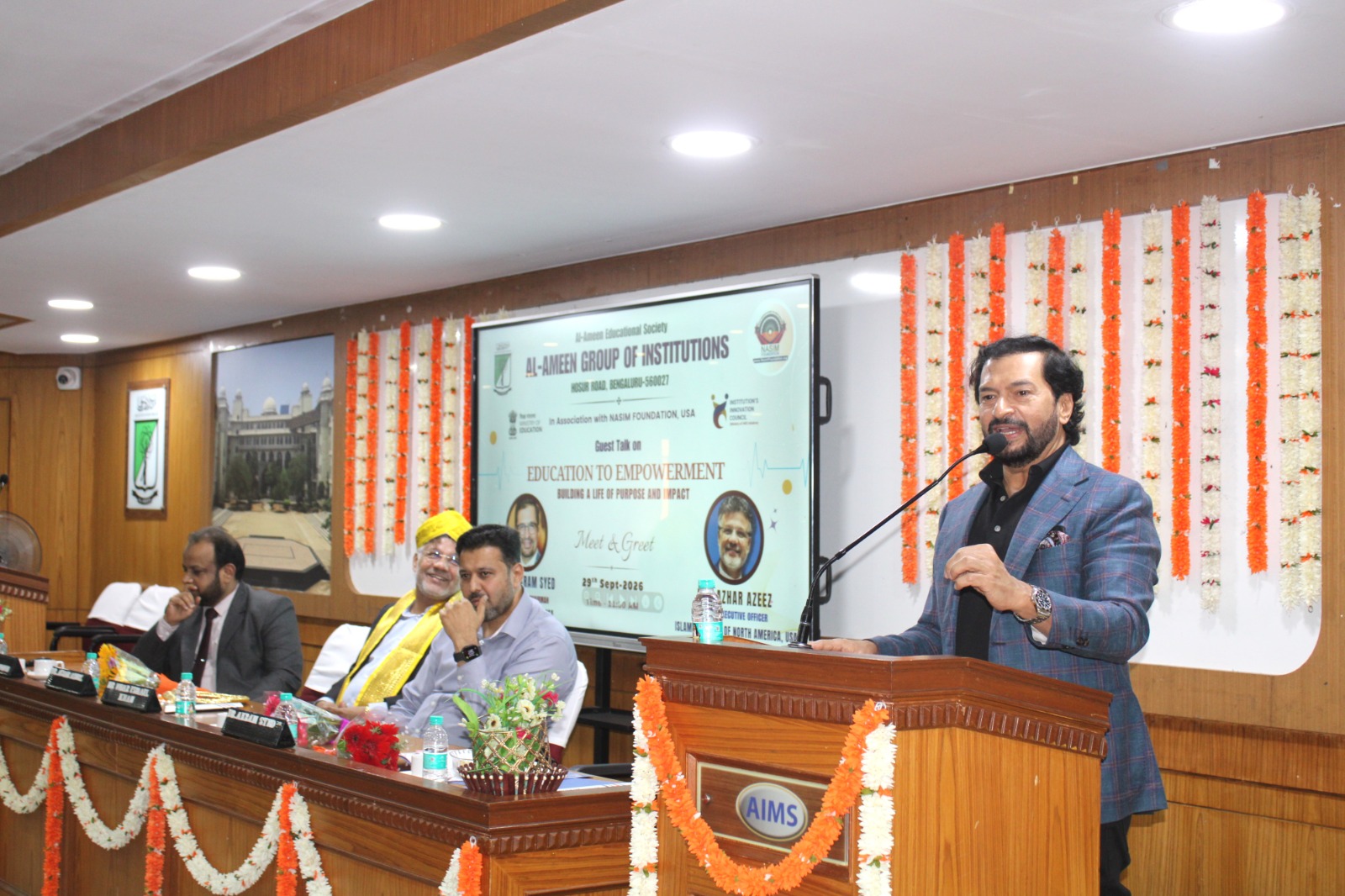
The session centered on the relationship between education, personal development, and meaningful contributions to society. It underscored the potential of educational institutions to equip young people not only with academic qualifications but also with the capabilities and sense of purpose needed to become responsible professionals and community leaders.
Later that day, an interactive session for owners and management teams of educational institutions was held at Merlin & Cooper, Prestige Falcon, on Brunton Road in Bengaluru.
The session, organized in association with Feroz Abdulla, featured Azhar Azeez as keynote speaker and Akram Syed as the discussion partner. Titled “Institution Building: US Experience, Best Practices & Challenges,” the program offered an opportunity to examine lessons from educational institutions in the United States and consider their relevance to institutions operating in India.
The discussion format included presentations, questions and answers, and an opportunity for professional exchange among educational leaders.
The session emphasized the value of sharing institutional experience across borders and adapting effective practices to local circumstances. It also created a forum for discussing the challenges of building strong, sustainable educational institutions capable of meeting the changing needs of students and communities.
Engagement with a wider educational ecosystem
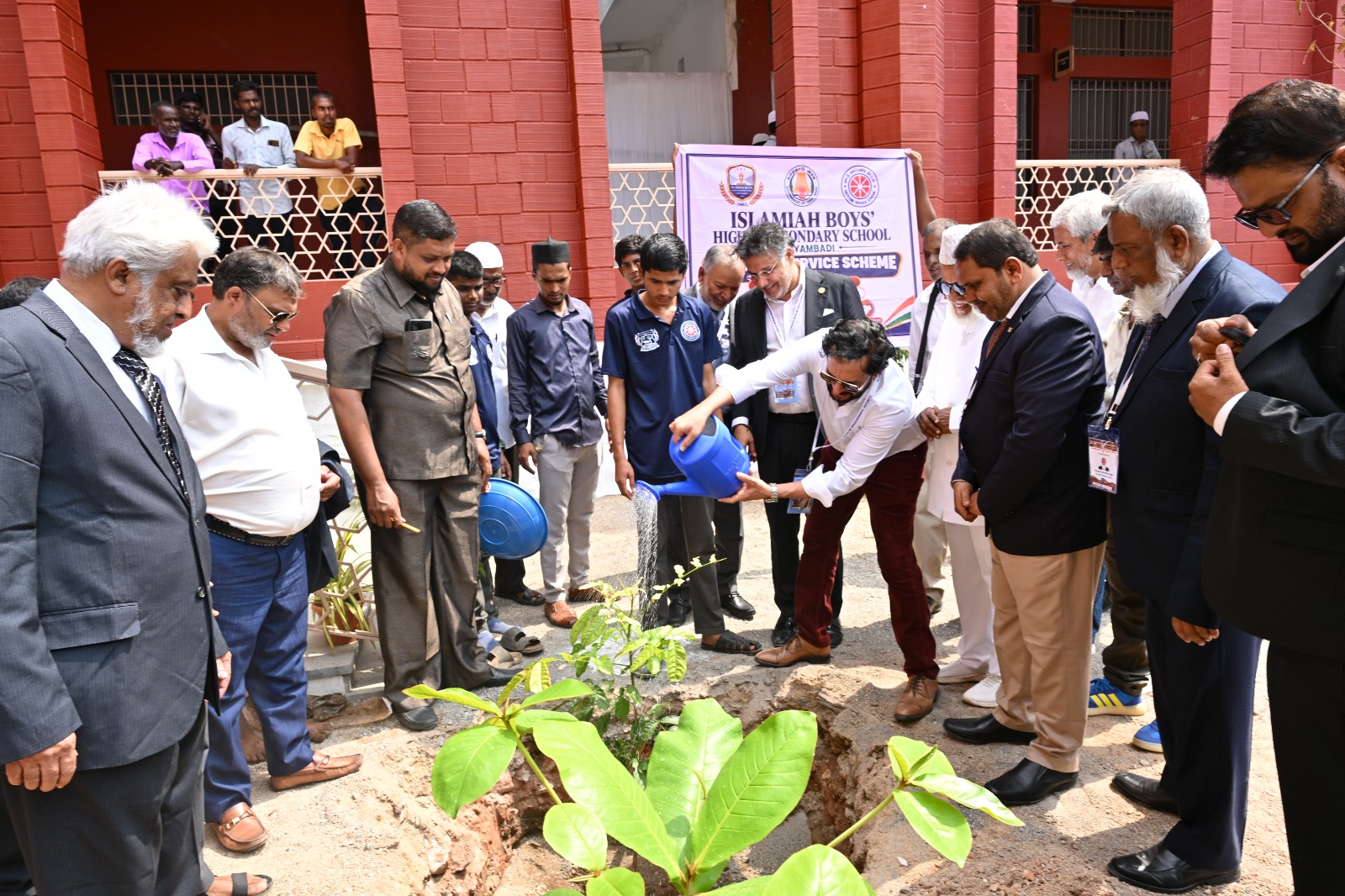
The visit also included engagements involving educational institutions and community organizations in and around Vaniyambadi, Umarabad, and Bengaluru. The visit notes reflect an emphasis on understanding educational needs at the institutional level and strengthening relationships with organizations working to expand access to learning.
These engagements are consistent with NASIM Foundation’s broader work in India, which includes support for higher education infrastructure, scholarships, skills development, educational opportunities for girls, modernization of traditional educational institutions, and programs serving students from economically disadvantaged backgrounds.
NASIM’s network of educational initiatives and partner organizations spans multiple states and includes institutions working with school dropouts, orphans, students with disabilities, and communities with limited access to higher education.
The visit provided an opportunity to recognize the efforts of local educational leaders while encouraging continued collaboration, knowledge-sharing, and investment in long-term educational development.
A vision of education that extends beyond access
The engagements reflect a broader vision of education in which access to schooling is the beginning—not the end—of educational opportunity.
For NASIM Foundation, the mission is to “Bring Equity in Society through Education of Underprivileged Minorities.” Its long-term educational framework emphasizes three principles: adaptability, accessibility, and affordability.
Adaptability means preparing institutions and students to respond to changing educational, technological, and professional demands. Accessibility means ensuring that educational opportunities reach students who have historically faced barriers to learning. Affordability means reducing financial obstacles so that a student’s potential is not limited by family circumstances.
Together, these principles point toward an educational ecosystem that combines strong infrastructure with scholarships, relevant skills, academic rigor, effective institutional leadership, and pathways to meaningful careers.
The vision also recognizes the importance of investing in girls’ education, supporting students who have dropped out of school, improving access to professional and higher education, and ensuring that people with disabilities can participate in educational and economic life.
Equally important is the role of institutions themselves. Sustainable progress requires capable leadership, sound governance, quality teaching, modern learning resources, and a culture that encourages students to pursue excellence while remaining connected to the needs of their communities.
The visit reinforced the value of collaboration among philanthropic organizations, educational institutions, administrators, and community leaders in translating this vision into lasting impact.
Building institutions for future generations
For NASIM Foundation, educational philanthropy is not limited to funding individual students or projects. It also involves helping build institutions and systems that can create opportunities for successive generations.
From libraries and digitally enabled classrooms to higher education, scholarships, and professional development, investments in education can strengthen individuals, families, and communities over time.
The September engagements in Tamil Nadu and Karnataka highlighted the importance of sustaining this work through partnerships, shared expertise, and a long-term commitment to educational quality and equity.
As NASIM Foundation continues working with educational partners in India, its broader ambition remains to help create an educational landscape in which students from underserved communities can access high-quality learning, develop their abilities, and contribute meaningfully to society.